
See Better Through Proper Nutrition
Discover how the right foods and nutrients can naturally enhance your vision and support long-term eye health. At Vlexisc, we explore the science-backed connection between nutrition and visual wellness.
Your eyes deserve the best fuel. Learn which vitamins, minerals, and dietary choices work together to maintain sharp vision and protect against age-related changes.
The information on this site is for educational purposes only and does not constitute medical advice. Always consult a qualified healthcare professional before making health decisions.
Our Editorial Platform Provides Science-Backed Information on Eye Health and Nutrition
Essential Nutrients for Eye Health
Understanding which nutrients matter most can help you make informed dietary choices to support your vision naturally.
Lutein & Zeaxanthin
These powerful carotenoids accumulate in the macula and help filter harmful blue light. They support central vision clarity and are abundant in leafy greens like spinach, kale, and broccoli.
Found in: Spinach, kale, broccoli, peas, lettuce
Anthocyanins
These antioxidants give berries their deep colors and help reduce eye strain and fatigue. They support circulation to the retina and may help with night vision adaptation.
Found in: Blueberries, blackberries, bilberries, dark grapes
Vitamin A & Beta-Carotene
Essential for the production of rhodopsin, which helps eyes adapt to low light. Beta-carotene protects cells from oxidative stress and supports overall retinal function.
Found in: Carrots, sweet potatoes, pumpkin, apricots, liver
Omega-3 Fatty Acids
Support retinal structure and reduce inflammation. DHA (docosahexaenoic acid) is a major structural component of the retina and crucial for visual development and function.
Found in: Salmon, mackerel, sardines, flaxseeds, walnuts
Vitamin C
A potent antioxidant that protects the lens and retina from free radical damage. Works synergistically with other antioxidants to support long-term visual health.
Found in: Citrus fruits, berries, tomatoes, peppers, kiwi
Zinc & Minerals
Essential for nutrient transport to the eye and supports immune function in ocular tissues. Deficiency is linked to visual difficulties and poor night vision.
Found in: Oysters, beef, pumpkin seeds, chickpeas, cashews
Foods That Boost Vision
Explore nutritious foods and meal ideas that naturally support eye health through science-backed nutrients.
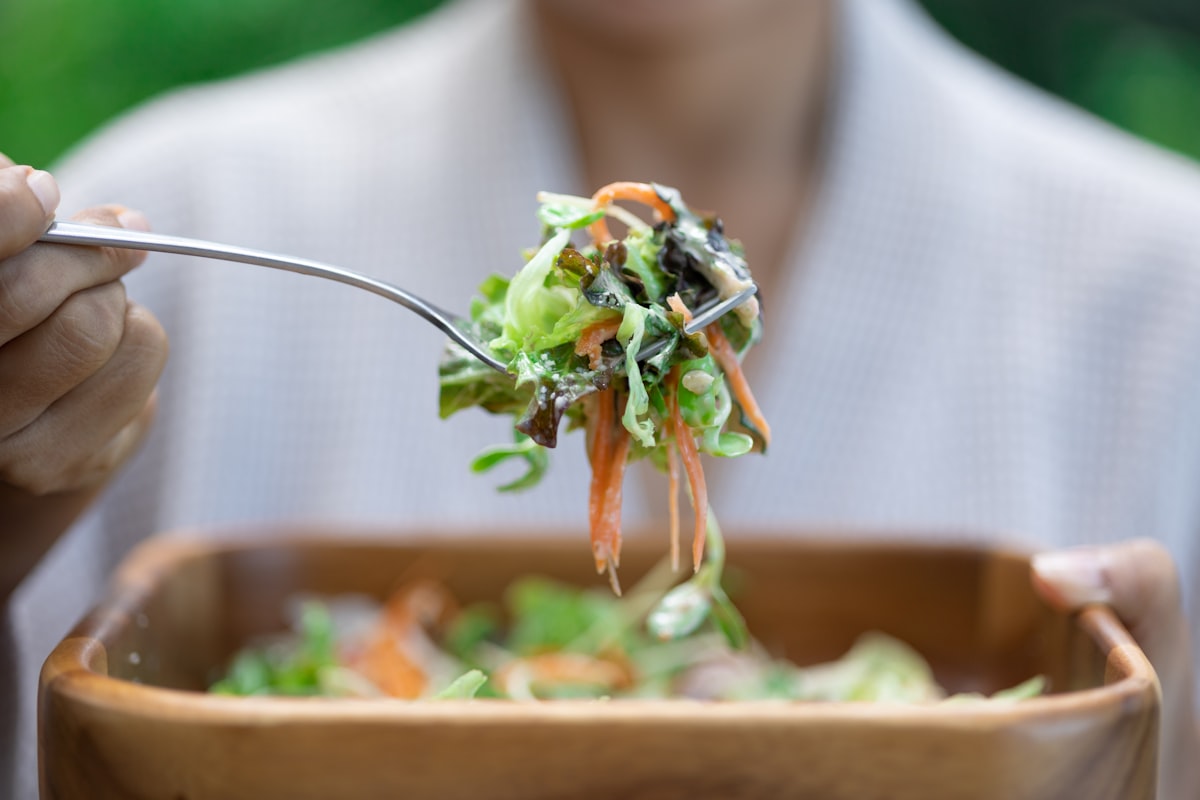
Leafy Greens
Spinach, kale, and collards are packed with lutein and zeaxanthin—essential for protecting the central vision area of your eye.
Read more about leafy greens →
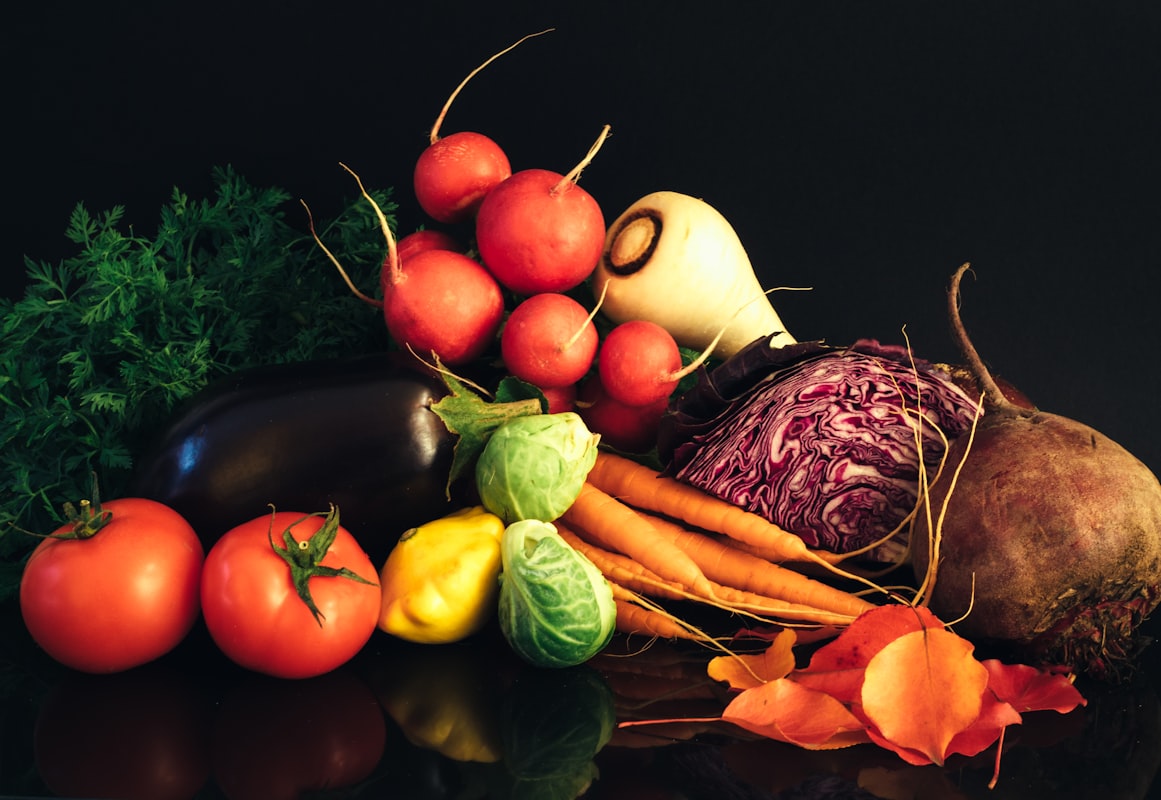
Berries
Blueberries, blackberries, and bilberries deliver powerful anthocyanins that reduce eye strain and support night vision naturally.
Discover berry benefits →
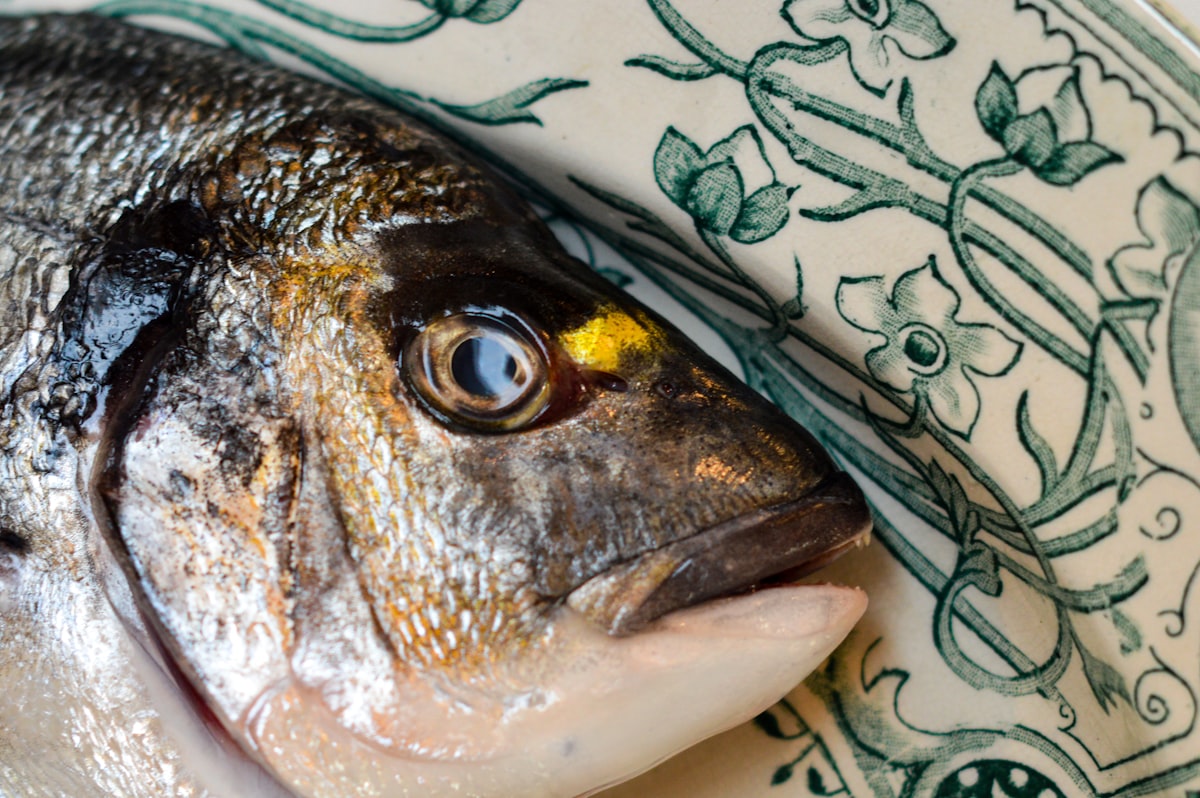
Orange Vegetables
Carrots, sweet potatoes, and squash contain beta-carotene, which converts to vitamin A—crucial for light sensitivity and adaptation.
Learn about beta-carotene →
Fatty Fish
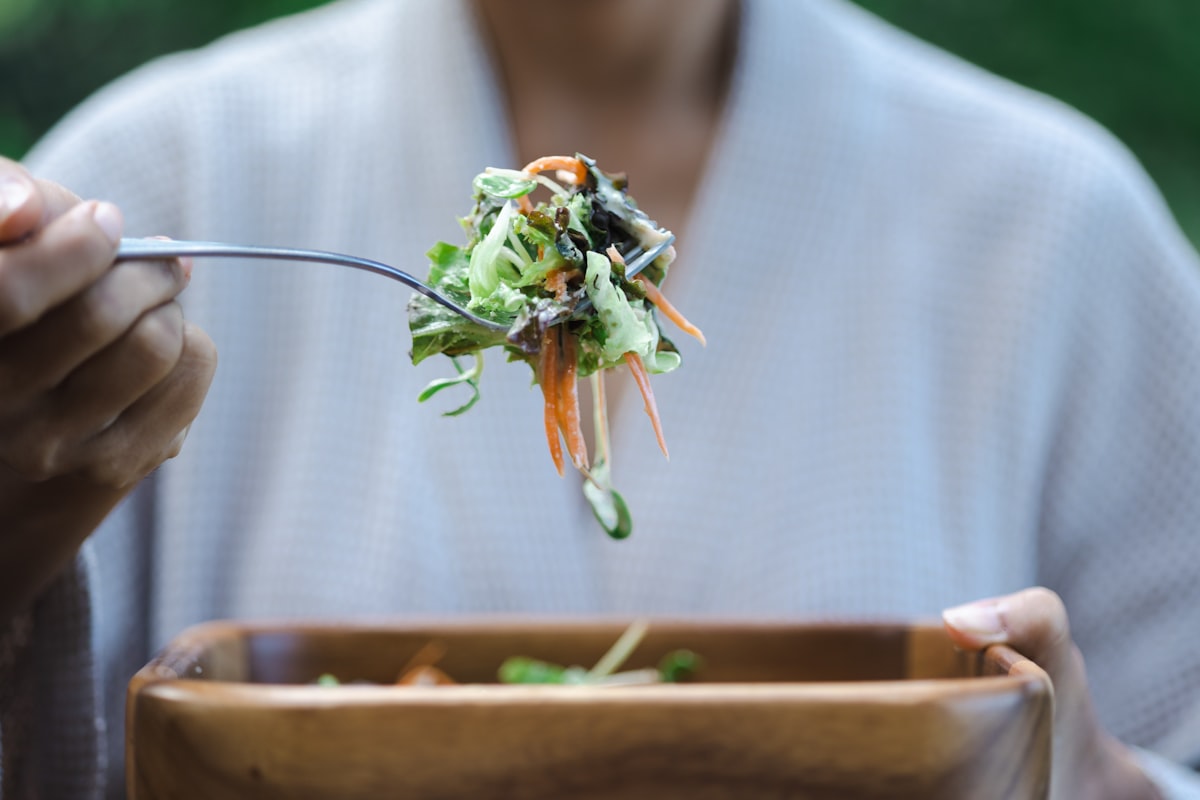
Salmon, mackerel, and sardines provide omega-3 DHA, which forms a key part of the retina and supports visual function.
Explore fish nutrition →
Nuts & Seeds
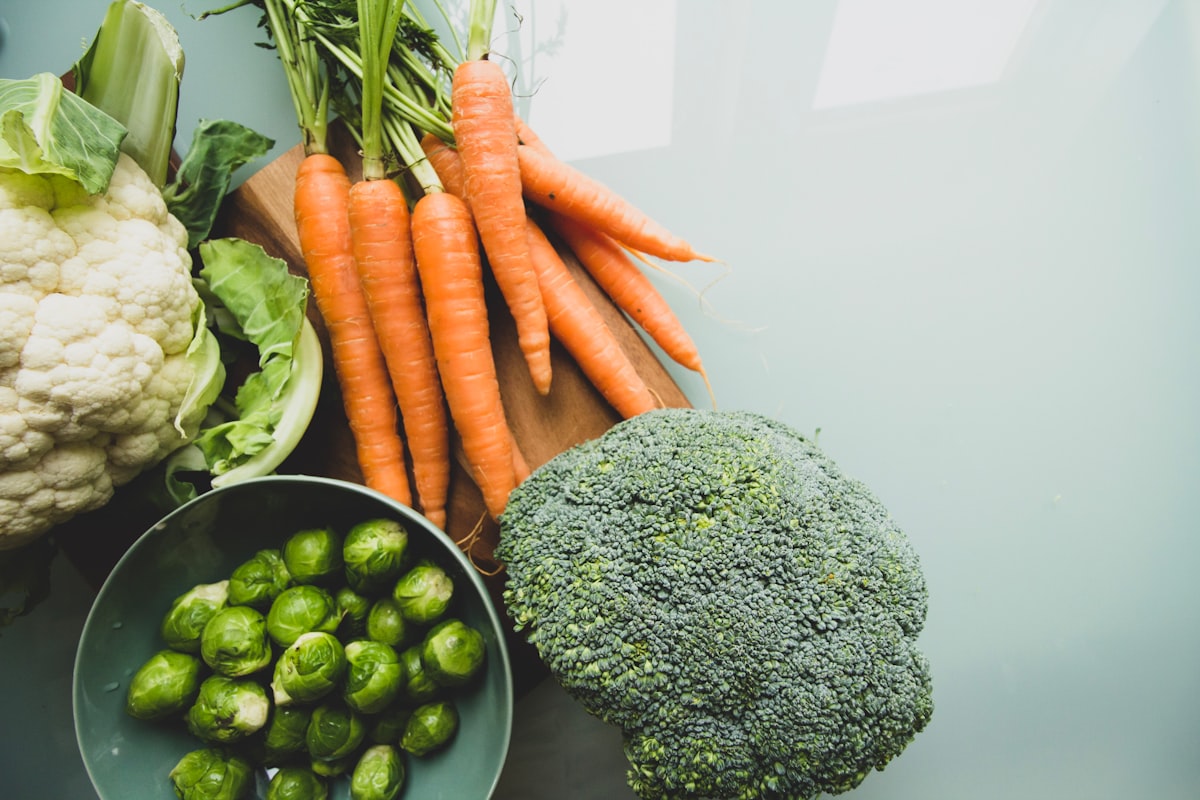
Almonds, walnuts, and pumpkin seeds offer vitamin E, zinc, and omega-3s—a powerful combination for eye protection and clarity.
Discover nuts benefits →
Citrus Fruits
Oranges, lemons, and grapefruits deliver high vitamin C content, an antioxidant that shields your eyes from oxidative damage.
Read about citrus →
Why Choose Vlexisc
Our editorial platform combines science, practical advice, and accessible information to help you understand how nutrition impacts your vision.
Science-Based Content
Every article is researched and references peer-reviewed studies, clinical research, and established nutritional science to ensure accuracy.
Practical Nutrition Guides
We translate complex nutritional science into actionable advice you can use immediately—meal ideas, food combinations, and daily tips.
Culturally Relevant Information
Based in Indonesia, we provide nutrition guidance tailored to local food availability and dietary traditions while maintaining global standards.
Community-Driven Approach
We value reader feedback and questions. Our editorial team actively engages with our audience to improve and expand coverage.
What Our Readers Say
People across Indonesia have found our guides helpful for understanding how to naturally support their eye health through better nutrition choices.
"I've been reading Vlexisc articles for three months now, and the information about leafy greens and their impact on vision clarity really resonated with me. The practical meal suggestions helped me incorporate lutein-rich foods into my daily diet. I appreciate the science-backed approach—it's not hype, just solid nutritional guidance for eye health."
Siti Nurhaliza
Jakarta, Nutrition Enthusiast
"As an optometrist, I often recommend Vlexisc's articles to my patients who want to understand the nutritional side of eye health. The content is accurate, well-researched, and presented in a way that patients actually understand. The guides on omega-3s and their role in retinal health are particularly impressive. This resource fills an important gap in patient education."
Bambang Suwanto
Surabaya, Optometrist
"My family always struggled with screen time affecting our eyes, but after reading the Vlexisc articles about antioxidants and eye strain reduction, I started buying more blueberries and nuts. The information is clear, actionable, and doesn't require fancy supplements—just real food. Thank you for making nutrition science accessible to everyone."
Wahyu Santoso
Bandung, Parent and Content Creator
"I'm a nutritionist, and I was initially skeptical about a general platform covering eye health nutrition. But Vlexisc's depth of research and attention to detail impressed me. The articles don't oversimplify—they explain mechanisms and cite sources. I now use their content as a reference when discussing vision support with clients. Highly respected work."
Maya Kusuma
Medan, Registered Nutritionist
Common Questions About Nutrition and Eye Health
Find answers to frequently asked questions about how food choices and nutrients support natural vision maintenance.
How quickly will nutrition changes affect my vision?
Nutritional improvements to eye health typically develop over weeks to months. The lens and retina have slow turnover rates, and antioxidants accumulate gradually. Consistent dietary changes may help support sharper focus and reduce the feeling of eye strain over time. Long-term benefits become more apparent over months and years.
Can I get all necessary nutrients from food alone?
Yes, most people can obtain the nutrients needed for eye health through a balanced diet rich in vegetables, fruits, fish, nuts, and seeds. However, some individuals with specific dietary restrictions, absorption issues, or higher needs may benefit from additional sources. Our articles explore both food-first approaches and when additional considerations might be relevant.
Is nutrition enough to prevent all vision changes?
Proper nutrition is one crucial pillar of vision support, alongside other factors like sleep, UV protection, screen breaks, and regular eye exams. Our content emphasizes that nutrition works best as part of a holistic approach to eye health. We always encourage readers to maintain routine eye care and professional guidance.
Are there foods that harm eye health?
While no single food is inherently "bad," excessive sugar and highly processed oils may contribute to oxidative stress and inflammation. Vlexisc articles discuss foods to minimize and their mechanisms, helping you make informed choices. The focus is on what to add rather than restriction, creating a positive and sustainable approach to nutrition.
How does age affect nutritional needs for eye health?
Nutritional requirements for eye health remain relatively consistent, but absorption and the need for certain antioxidants may increase with age. Vlexisc provides specific guidance for different life stages—from young professionals managing screen time to older adults supporting age-related vision changes through nutrition.
Can nutrition support specific vision concerns?
Yes, different nutrients address different aspects of eye function—lutein for clarity, anthocyanins for strain reduction, DHA for retinal structure. Our detailed guides explain which nutrients are most relevant for various vision goals, helping you tailor your nutrition to your specific needs and concerns.
Stay Updated on Eye Health & Nutrition
Get new articles and guides delivered to your inbox—no spam, just science-backed vision wellness content.
We respect your privacy. You can unsubscribe anytime by using the link in our emails.
Ready to Optimize Your Vision Through Nutrition?
Explore our comprehensive guides, discover which foods support your eye health, and learn practical strategies to naturally enhance your vision. Our editorial team is here to provide evidence-based information every step of the way.
Research-Backed Content
Every article references peer-reviewed studies and established nutritional science.
Expert Reviewed
Our team includes registered dietitians and certified nutritionists who validate all recommendations.
Privacy Protected
Your health data and personal information are encrypted and never shared with third parties.
What Our Users Say
"Vlexisc transformed how I approach nutrition. The personalized meal plans are easy to follow and actually taste great. I've lost significant weight in 3 months!"
Sarah M.
Health Coach
"As a busy professional, I don't have time for complicated diets. Vlexisc gives me simple, science-backed guidance that fits my lifestyle. Highly recommended!"
James T.
Business Executive
"I've tried every diet program out there. Vlexisc is the first one that makes sense and delivers real results. The community support is amazing too!"
Lisa R.
Wellness Enthusiast
Ready to Transform Your Health?
Join thousands of satisfied users who've already discovered their optimal nutrition plan. Start your free assessment today—no credit card required.
Frequently Asked Questions
How does Vlexisc create personalized nutrition plans?
Vlexisc uses a comprehensive questionnaire that captures your dietary preferences, health goals, allergies, and lifestyle habits. Our AI algorithm then cross-references this data with thousands of peer-reviewed nutritional studies to generate a customized plan tailored specifically to you.
Is Vlexisc suitable for people with dietary restrictions?
Absolutely! Vlexisc supports vegan, vegetarian, keto, gluten-free, dairy-free, and numerous other dietary preferences and restrictions. You can specify your requirements during setup, and all recommendations will adhere to your chosen dietary framework.
Can I modify my nutrition plan as my goals change?
Yes! Your nutrition plan is fully flexible and can be updated anytime. As your fitness level, health status, or goals evolve, simply update your profile, and Vlexisc will regenerate your plan to match your new objectives and preferences.
How much does Vlexisc cost?
We offer a free 7-day trial with full access to all features, no credit card required. Our premium plans start at $9.99/month for personalized meal planning, nutrition tracking, and expert consultations. Annual subscriptions include a 25% discount.
Is my health data secure with Vlexisc?
Your privacy is our highest priority. All data is encrypted using bank-level security protocols (AES-256). We comply with HIPAA and GDPR regulations, and we never share your personal or health information with third parties without explicit consent.